
News
The Renters’ Rights Act 2025 has now been in force for several months, and the housing sector is beginning to see how the legislation is working in practice. At our Housing Roundtable on 22 September 2026...
News
The Renters’ Rights Act 2025 has now been in force for several months, and the housing sector is beginning to see how the legislation is working in practice. At our Housing Roundtable on 22 September 2026...
The Renters’ Rights Act 2025 has now been in force for several months, and the housing sector is beginning to see how the legislation is working in practice.
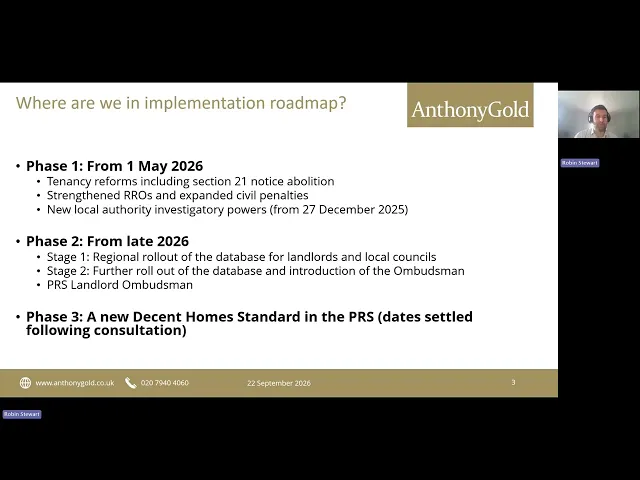
At our Housing Roundtable on 22 September 2026, Robin Stewart, Partner at Anthony Gold Solicitors, joined us to explore the impact of the legislation so far, including emerging cases, local authority enforcement and what the changes mean for landlords and tenants in the private rented sector.
The session also provided an opportunity for housing professionals to share their experiences and raise questions about some of the practical challenges emerging as the new framework beds in.
Here are five key takeaways from the discussion.
The Private Rented Sector (PRS) database is being rolled out across England and will require landlords and their properties to be registered.
As the database develops, it will build a growing bank of information about the private rented sector that could provide useful intelligence for local housing authorities.
Further resources:
A procedure on the PRS database is available in RIAMS Libraries. This will be updated as the regulations are finalised and further government guidance is released.
The PRS Ombudsman is expected to be fulfilled by the current Housing Ombudsman.
During the roundtable, delegates raised concerns about whether the Ombudsman will have sufficient capacity to deal with complaints from tenants in the private rented sector, particularly given the existing demand from the social rented sector.
The capacity of the system will therefore be an important consideration as the proposed scheme develops.
Further resources:
RIAMS Libraries includes a procedure on the proposed PRS Ombudsman, setting out what is currently known about the scheme.
Not all landlords are necessarily aware of the changes introduced by the Renters’ Rights Act.
For local housing authorities, this raises a practical question around engaging and informing landlords before enforcement action becomes necessary.
Effective communication will be an important part of helping landlords understand their responsibilities as the new provisions continue to take effect.
Further resources:
The Government’s Housing Hub provides information and guidance for landlords on the changes to renting.
The discussion also considered the potential for landlords to attempt to avoid provisions introduced by the Renters’ Rights Act.
Such attempts are unlikely to provide a way around the legislation, and the courts will be aware of anticipated attempts to evade its provisions, including the use of sham licences.
For local authority officers dealing with potential offences, robust investigation and evidence gathering will therefore remain important.
Further resources:
RHE Global’s Investigative Skills e-learning covers key areas including collecting and handling evidence, preparing a prosecution file and giving evidence in court.
RIAMS Libraries also provides procedures covering investigatory powers and financial penalties under the Renters’ Rights Act, supporting local authority officers investigating potential offences.
Local housing authorities are beginning to take enforcement action under the Renters’ Rights Act, with financial penalties for unlawful evictions being actively pursued.
Robin Stewart noted that he has not yet seen many cases where local housing authorities have issued fines relating to the transitional arrangements.
At the same time, tenants are pursuing appeals against Section 21 notices and challenges to proposed rent increases.
Delegates again raised concerns about whether the courts and tribunals will have sufficient capacity to deal with the anticipated increase in demand as enforcement activity and tenant challenges develop.
Further resources:
RIAMS Libraries provides a range of procedures, guidance and notice templates relating to the Renters’ Rights Act 2025, Housing Act 2004, powers of entry, PACE, interviews, and applications and appeals to the First-tier Tribunal.
Contact us for a free demo and trial.
For those responsible for housing enforcement, our Effective Enforcement Using the HHSRS course provides practical learning across two online half-day sessions, covering enforcement of the HHSRS under Part 1 of the Housing Act 2004.
Want to hear the full discussion?
You can watch the recording of our Renters’ Rights Act 2025: The impact on private renting so far Housing Roundtable below.
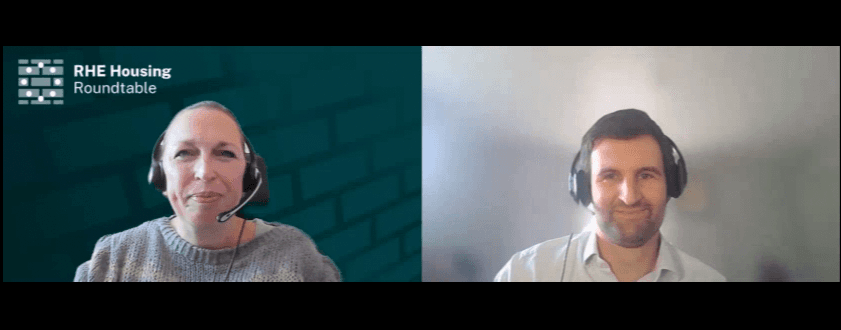
The session was hosted by Ali Thomas and included a live Q&A with Robin Stewart, giving delegates the opportunity to raise questions about the practical impact of the legislation.
Some questions could not be reached during the live session. These will be answered in the Housing Professionals Forum on RIAMS Communities.
Several months into implementation, the Renters’ Rights Act is beginning to generate practical questions for landlords, tenants and local housing authorities alike.
As further regulations, guidance, cases and enforcement activity emerge, the sector will continue to build a clearer picture of how the legislation is working in practice.
Keep up to date with the latest housing developments, guidance and resources through RIAMS.